The WTO
On January 1, 1995, the World Trade Organization replaced the General Agreement on Tariffs and Trade (GATT, 1947) and became the first international institution with binding dispute resolution covering most of world trade. Under GATT a losing party could simply block adoption of a panel ruling; under the WTO, judgments were automatic, and a ruling against a member state was enforceable through retaliatory tariffs authorized by the WTO itself. No previous international body had this kind of teeth. China joined in 2001 after fifteen years of negotiation, and the system reached the world's largest manufacturer. By 2010, WTO members accounted for more than 95% of global commerce.
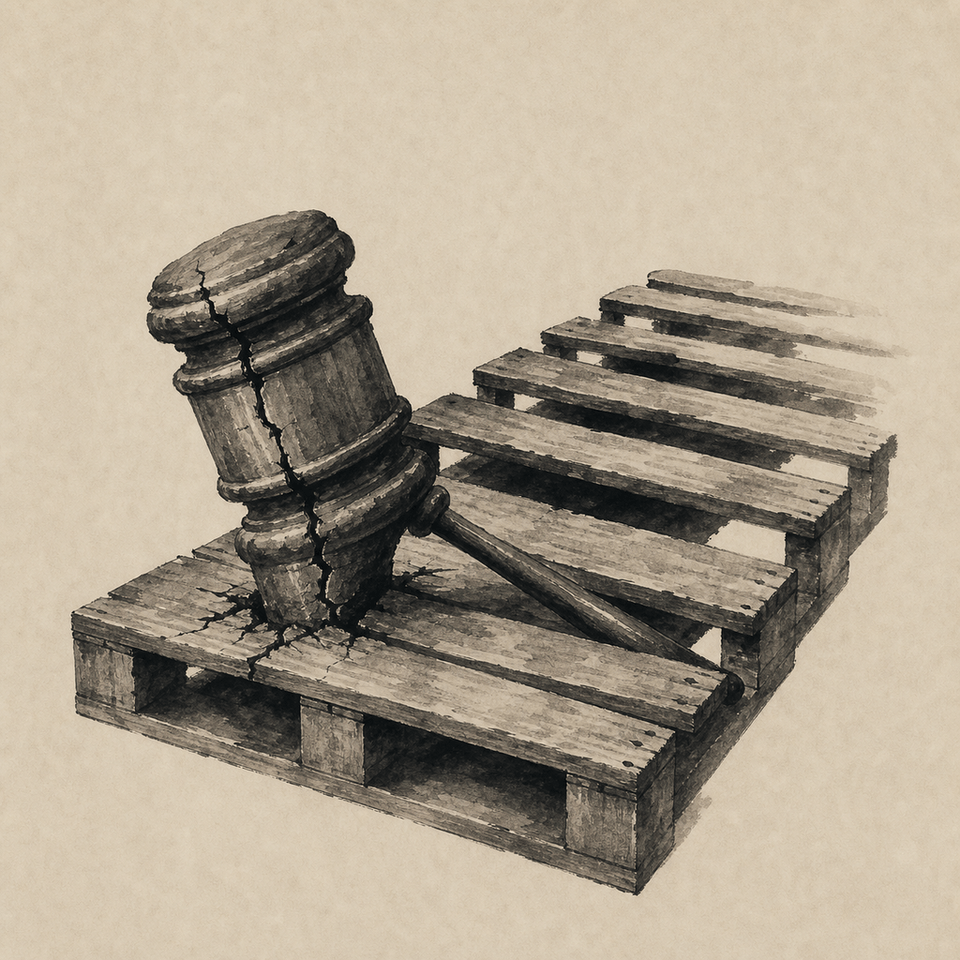
The WTO's appellate body — the highest court of international trade law, seven judges sitting in Geneva — heard hundreds of cases and produced rulings that bound the United States, the European Union, Japan, and China alike; even superpowers complied, paying the tariffs or changing the laws. The system worked, by most measures, until it became a victim of its own legalism. Two things broke it. First, the China shock: WTO rules addressed subsidies and state trading, but struggled with the scale and opacity of Chinese state support and with practices, such as pressure to transfer technology, that were hard to litigate. Second, the American political reaction: starting in the late Obama administration and accelerating dramatically under Trump, the United States blocked appointments to the appellate body, draining it judge by judge until it lost its quorum in December 2019. The appellate tier stopped functioning at exactly the moment the trade order was breaking down. The Biden administration did not restore it, sharing the underlying grievance that the body had overreached; the Trump second-term posture has been openly hostile, wielding unilateral tariffs the WTO was built to forbid. The result, as of 2026, is a multilateral trade system whose legal scaffolding is intact in form and broken at its apex — panels still hear cases, but the final court has no judges and appeals can vanish into a void.