The Rise of Fascism
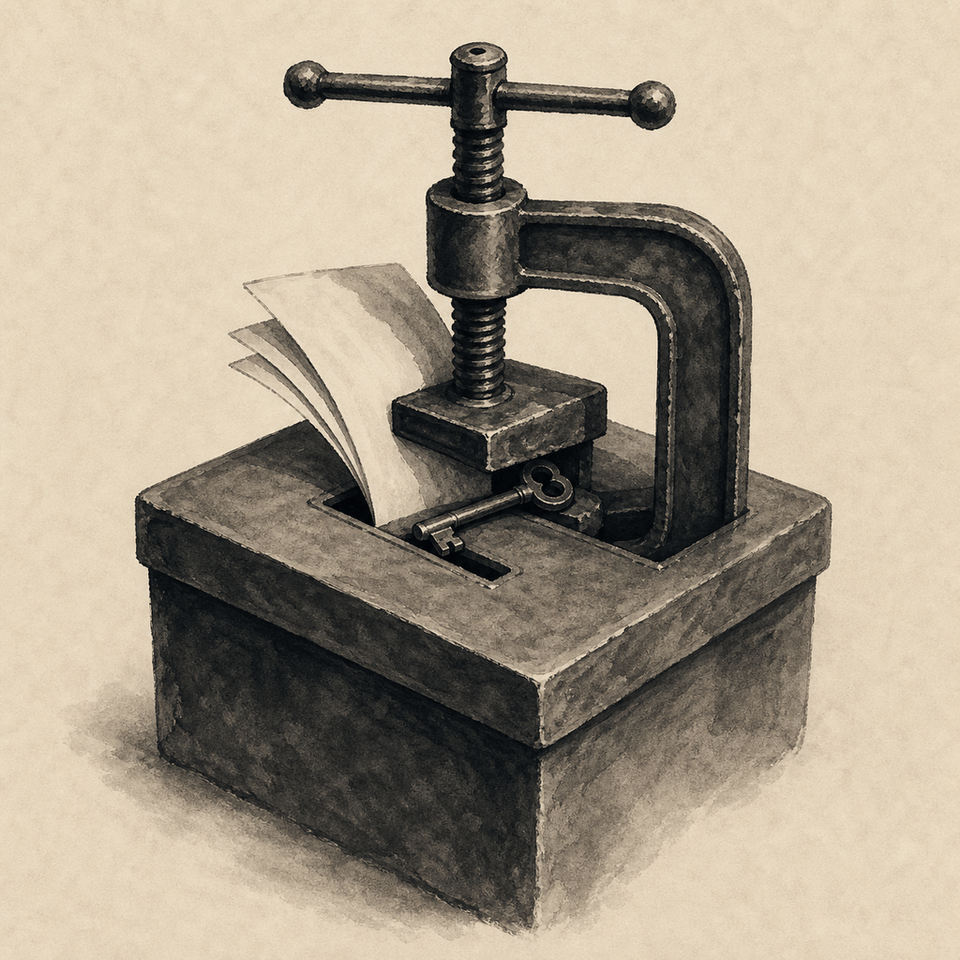
Between 1922 and 1939, fascist or fascist-aligned regimes came to power in Italy, Germany, Spain, Portugal, Hungary, Romania, and (in colonial-militarist form) Japan. Liberal democracy retreated across most of Europe — by 1939 only about a dozen of the continent's nations remained recognizable democracies, down from more than twenty in 1920. The failure of the interwar democracies is one of the most studied catastrophes in modern political history, because it is the canonical case of how constitutional regimes can be destroyed by elected actors using legal means. The disturbing lesson is not that tanks rolled in, but that the destroyers were handed the keys.
The mechanism varied across countries but the common ingredients are recognizable: post-WWI economic dislocation (hyperinflation in 1923 Germany, then the Great Depression after 1929), the rise of mass communist parties as a perceived existential threat, humiliated nationalism (especially after Versailles and the myth of the stab in the back), paramilitary street politics (Blackshirts, Brownshirts, Falange), mainstream conservative miscalculation — the belief that the fascists could be used to defeat the left and then controlled — and the progressive normalization of authoritarian methods in the public sphere. Crucially, fascism was not merely reactionary: it offered a mass-mobilizing promise of national rebirth through a cult of the leader, theatrical spectacle, and the violent purge of internal enemies. Mussolini was appointed prime minister legally in October 1922 after the theatrical March on Rome; Hitler was appointed chancellor legally on 30 January 1933 by a conservative cabal around President Hindenburg who thought he was their puppet. The constitutional path to dictatorship — the Reichstag Fire Decree of February 1933, the Enabling Act that March, judicial purges, control of police and media — was followed step by step in plain sight, and within eighteen months the Night of the Long Knives and Hindenburg's death let Hitler fuse party and state. The institutions designed to prevent it (parliaments, courts, presidents) repeatedly failed at the critical moment to coordinate against the threat; each actor assumed someone else would hold the line, and gambled that accommodation was safer than confrontation. Within months a coalition partner became an absolute ruler.