The Korean War
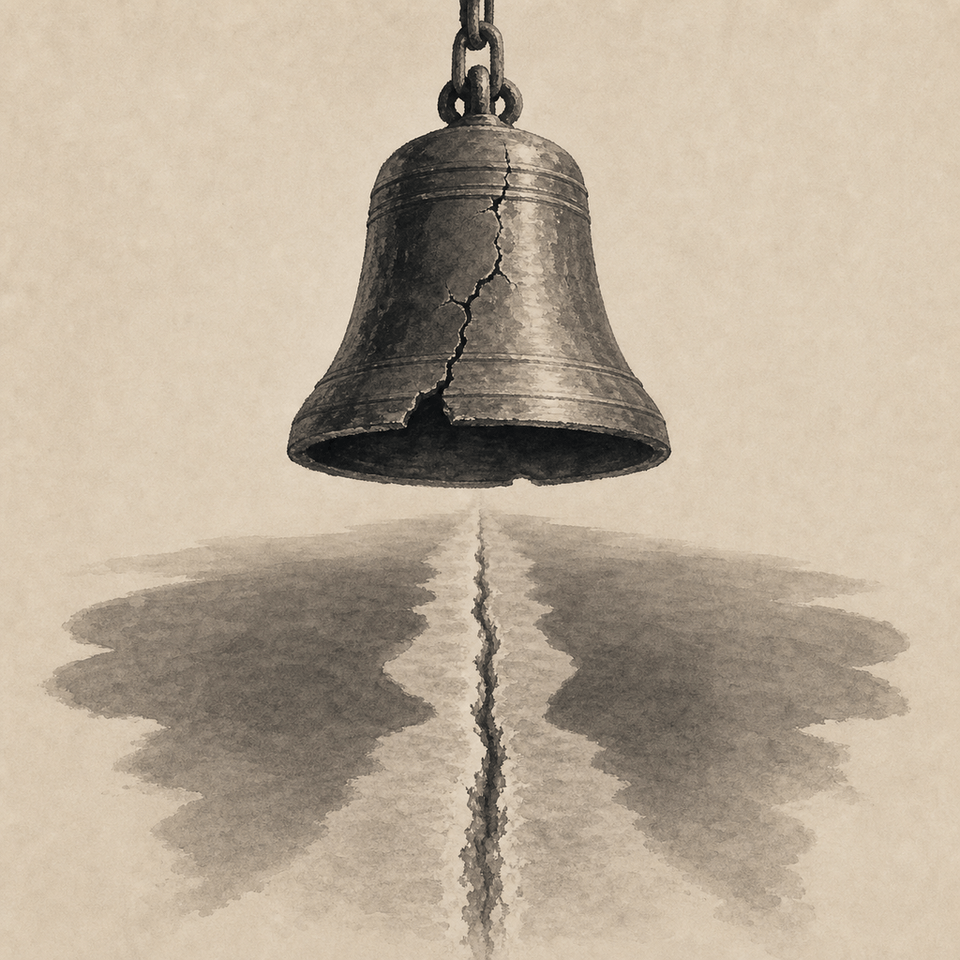
On June 25, 1950, North Korean tanks crossed the 38th parallel and overran most of the peninsula in six weeks, penning the defenders into the Pusan Perimeter. The United States, leading a UN coalition the Soviets could not veto because they were boycotting the Security Council, gambled on MacArthur's amphibious landing at Inchon, reversed the front, and drove north almost to the Yalu River on the Chinese border. China then entered with hundreds of thousands of 'volunteers,' shoved the UN forces back below Seoul, and the war congealed into two more years of attritional stalemate along the original line. The 1953 armistice — not a peace treaty — froze the peninsula roughly where it had started. Some three million people died. Seventy years on, the two Koreas are still technically at war.
Korea was the first hot war of the cold one, and it cast most of the molds the Cold War would later fill. It established that Soviet-American confrontation would run through proxies and limited theatres rather than direct combat; that the United States would intervene against communist expansion even in a place that seemed outside its announced defensive perimeter (Secretary Acheson's 1950 speech appeared to leave Korea out, though it did not rule out a response); and that the risk of nuclear escalation would cap what conventional forces could pursue — Truman fired MacArthur in 1951 for publicly demanding the lid be lifted, asserting civilian control in the process. The war also militarized containment itself: it tripled the U.S. defense budget, hardened the doctrine of NSC-68, turned NATO from a paper pact into a standing army, and made permanent the global archipelago of American bases. Out of it came, over the following decades, the Korean economic miracle in the south — authoritarian-led, export-driven industrialization under Park Chung-hee that turned a poor agrarian society into a global manufacturing power — and the world's most enduring totalitarianism in the north, a hereditary Kim dynasty sealed by famine and surveillance. The two Koreas now offer a stark near-natural comparison: one people and language, but not identical starting economies — the North inherited more heavy industry — followed by opposite institutions and, on mid-2020s estimates, a gap in per-capita output of something like thirty- to fortyfold. The peninsula's frozen line also locked in the forward deployment of tens of thousands of American troops that still anchors the Pacific security order seven decades later.