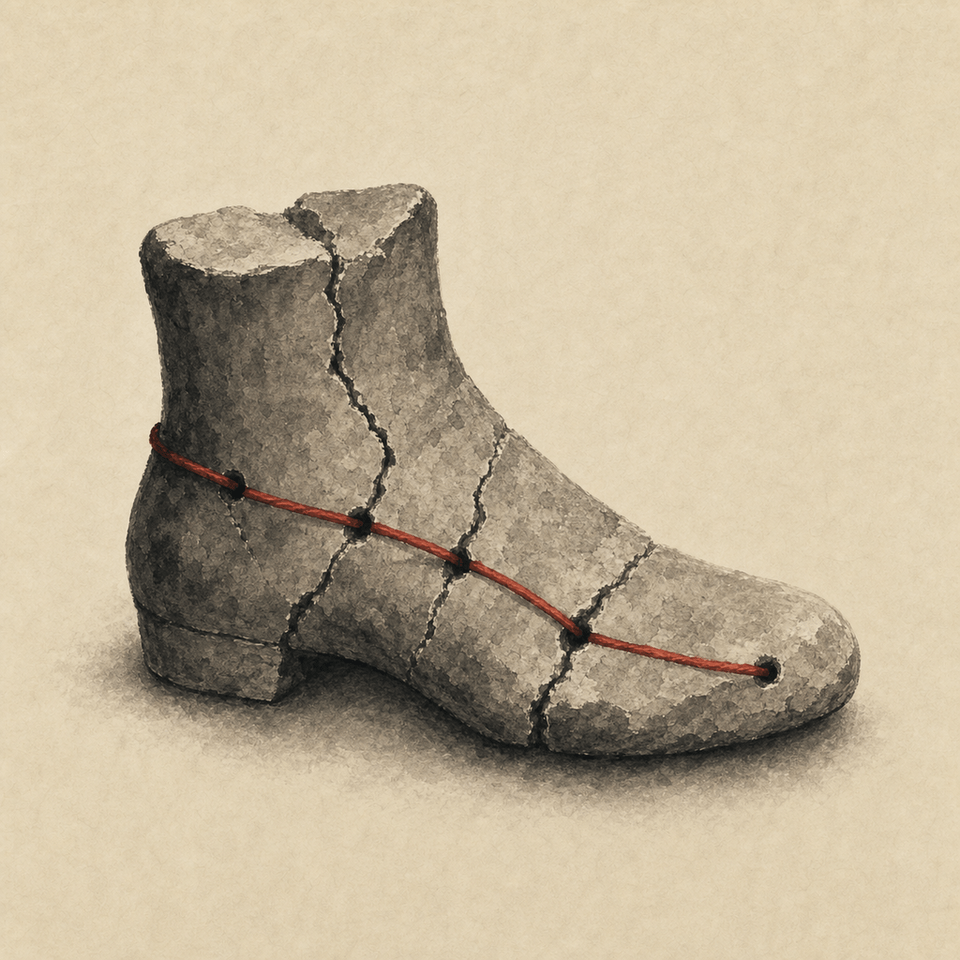
The Italian Risorgimento
Between 1848 and 1870, the Italian peninsula — divided since the fall of Rome among Austrian-controlled duchies, the Papal States, and the Kingdom of the Two Sicilies — was unified into a single nation-state under the House of Savoy. The unification took three wars, a remarkable irregular campaign by Giuseppe Garibaldi and his thousand red-shirted volunteers, and the diplomatic skill of Camillo Benso di Cavour, the Piedmontese prime minister who engineered an alliance with Napoleon III, provoked Austria into war in 1859, and traded Nice and Savoy to France for a free hand in the north. 'We have made Italy; now we must make Italians', Massimo d'Azeglio is supposed to have said — and the second project has taken much longer than the first.
The Risorgimento was the canonical case of romantic nationalism meeting cynical statecraft. The romantic side — Mazzini's republican Giovine Italia, the secret Carbonari lodges, Garibaldi's improvisational guerrilla warfare, the popular myth of a once-great nation reawakening — supplied the ideology. The cynical side — Cavour's manipulation of French support, the careful sequence of wars against Austria, the absorption of Garibaldi's southern conquests by the Piedmontese state — supplied the execution. Cavour's method was diplomatic engineering: at the 1858 Plombières meeting he secured Napoleon III's army in exchange for Savoy and Nice, then maneuvered Austria into declaring war in 1859; victories at Magenta and Solferino won Lombardy, and rigged plebiscites folded the central duchies into Piedmont. When Garibaldi's Expedition of the Thousand toppled the Bourbon kingdom in Sicily and Naples in 1860, Cavour rushed Piedmontese troops south to ensure the south joined a monarchy, not a republic; Garibaldi handed his conquests to King Victor Emmanuel II at Teano and retired to his island farm. The result was a state with severe regional inequality (industrial north, agrarian south), weak national institutions imposed by simply extending Piedmont's laws over the whole peninsula, and a gap between Catholic identity and the secular state — the Pope, stripped of Rome in 1870, declared himself a 'prisoner of the Vatican' and forbade Catholics from voting in national elections — a ban lifted only in 1919, while the rift itself waited for the 1929 Lateran Pacts. A peasant south, taxed and conscripted by distant northerners, answered with a decade of armed revolt the state dismissed as mere 'brigandage'. Italy entered the twentieth century as a parvenu great power — and in 1922, frustrated with the slowness of liberal democracy, gave Mussolini the model for fascism.