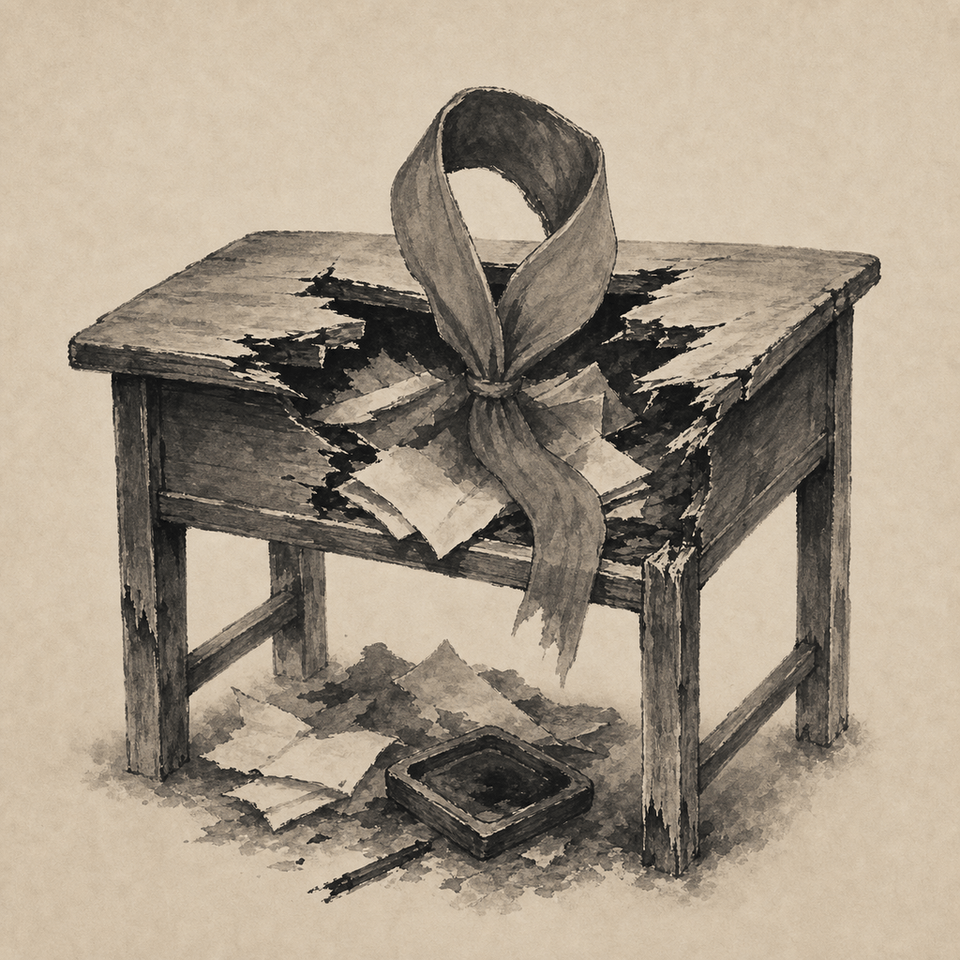
The Cultural Revolution
Between 1966 and 1976, Mao Zedong unleashed China's youth against its own state, party, schools, intellectuals, and the four olds — old ideas, old culture, old customs, old habits. The Great Proletarian Cultural Revolution mobilized millions of Red Guards — high school and university students with armbands and Mao's Little Red Book — to denounce, beat, humiliate, and in many cases kill teachers, professors, party officials, and their own parents. Confucian temples were smashed, scholars paraded in dunce caps, families forced to inform on one another. More than a million people died, perhaps several million; some seventeen million urban youth were 'sent down' to labor in the countryside; a generation's schooling was torn apart. The state was attacking itself, on purpose, by design.
Mao's motives were a mixture of paranoid ideology and deliberate political strategy. He had been sidelined after the disasters of the Great Leap Forward (1958–61, perhaps thirty million dead from famine), with day-to-day power passing to pragmatists like Liu Shaoqi and Deng Xiaoping, and he believed the party was sliding into Soviet-style bureaucratic stagnation. By mobilizing the youth against the party itself — and by leaning on his wife Jiang Qing, Defense Minister Lin Biao, and the cult of his own person — he could purge his rivals, restore his personal authority, and re-radicalize the revolution in one move. The execution was catastrophically destructive. Universities closed for a decade; the 1966 college entrance exam was cancelled outright. Libraries, temples, and museums were ransacked; the legal system effectively ceased to function. Liu Shaoqi, once Mao's designated heir, died in a prison cell in 1969, denied medicine; Deng was twice purged; Peng Dehuai was beaten and broken. Factional fighting between Red Guard groups produced near-civil-war conditions in cities like Wuhan, and the army was eventually sent to restore order. By the time Mao died in September 1976 and the Gang of Four was arrested a month later, the country was exhausted, the party demoralized, and the ground for Deng's reform and opening in 1978 was politically possible because almost no faction wanted to repeat what had just happened.