The Baroque
- Drama frozen at maximum tension across medianot yet tested
- Counter-Reformation art as Church strategynot yet tested
- The palace style of absolutist monarchynot yet tested
- Ancestor of recorded music and modern spectaclenot yet tested
Walk into the Cornaro Chapel in Santa Maria della Vittoria in Rome and look up. Bernini's Ecstasy of Saint Teresa (1647-52) — a marble sculpture of a swooning nun pierced by an angel's arrow — is almost embarrassingly carnal by comparison with the calm reserve of Renaissance religious art a century earlier. The entire chapel is theatrical: gilt rays representing divine light pour from a hidden window; sculpted opera-box loges hold marble portraits of the Cornaro family as audience members watching the saint's vision; architecture, sculpture, painting, and lighting are fused into a single multi-media spectacle. This is the Baroque — the visual language of the Counter-Reformation church and the absolutist court, the style of the dramatic moment. From roughly 1600 to 1750, Baroque organized visual art, music, architecture, theatre, and garden design across Catholic Europe.
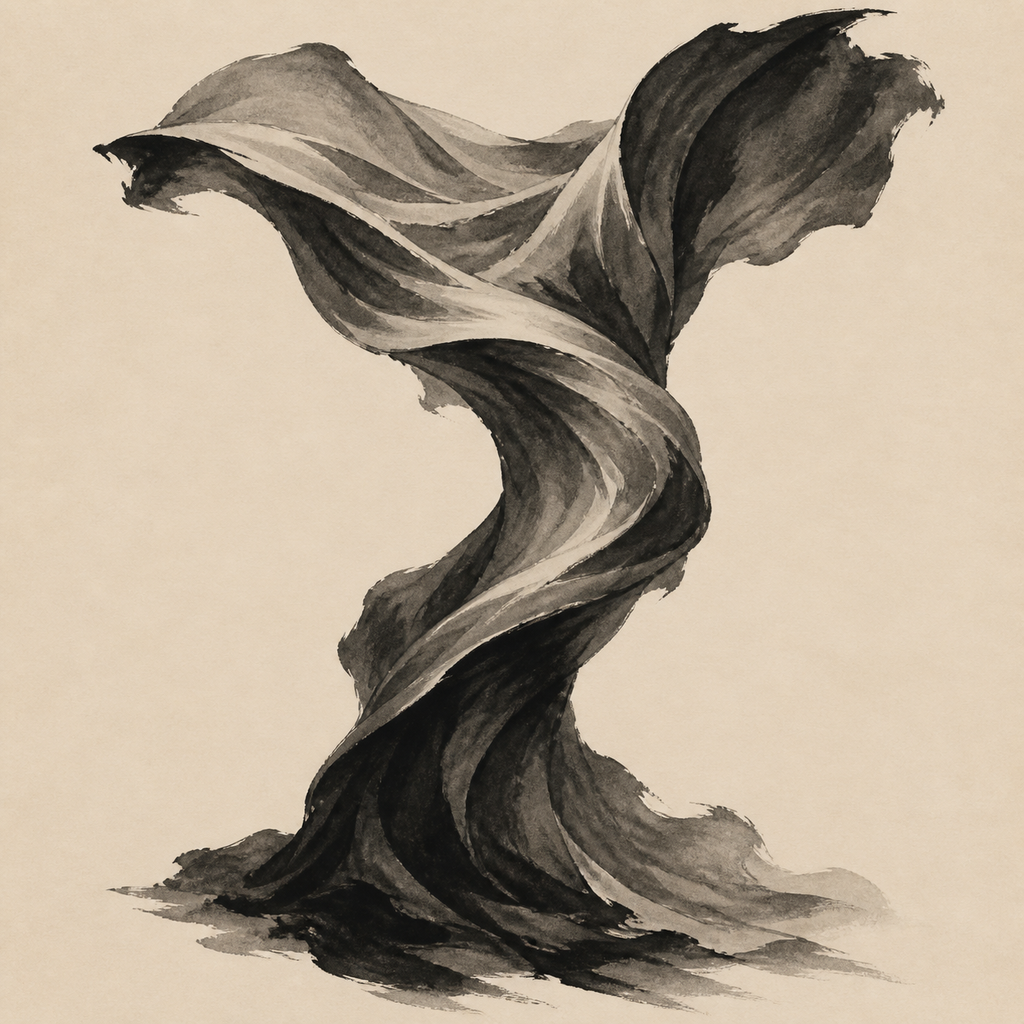
The unifying principle across media is drama frozen at maximum tension. Bernini's marble figures are caught mid-action — David mid-throw, Daphne mid-transformation, Teresa mid-ecstasy; Caravaggio's tenebrist canvases stage their saints and martyrs in the brief instant of recognition with extreme contrasts of dark and light; the Baroque painted ceiling makes its subjects burst through the architecture toward heaven. The architecture itself follows the same logic: Borromini's San Carlo alle Quattro Fontane bends its walls into ovals the Renaissance never permitted, and the colonnade Bernini wrapped around St. Peter's Square literally embraces the visitor before letting them enter. The Baroque interior — gilt, marble, painted ceiling, mirrors, multiple light sources — is the style of the palace: Versailles, Schönbrunn, Würzburg, dozens of others across Catholic Europe.
The Baroque was the visual and cultural language of the Counter-Reformation. After the Council of Trent (1545–1563), the Catholic Church deliberately commissioned art that would emotionally engage the laity and reaffirm doctrine in response to the Protestant rejection of religious imagery; the visceral, sensory, sometimes shocking quality of Baroque religious art is in part a Church communications strategy turned aesthetic. It was also the language of absolutist monarchy — Louis XIV at Versailles, the Habsburgs in Vienna and Madrid, the Bourbons throughout Catholic Europe — and of aristocratic court culture more broadly. Both patrons wanted the same thing: art that overwhelmed, that fused multiple media into a single coordinated experience, that left no doubt about who was in charge of the room or the cosmos. J.S. Bach's death in 1750 is conventionally treated as the period's endpoint.