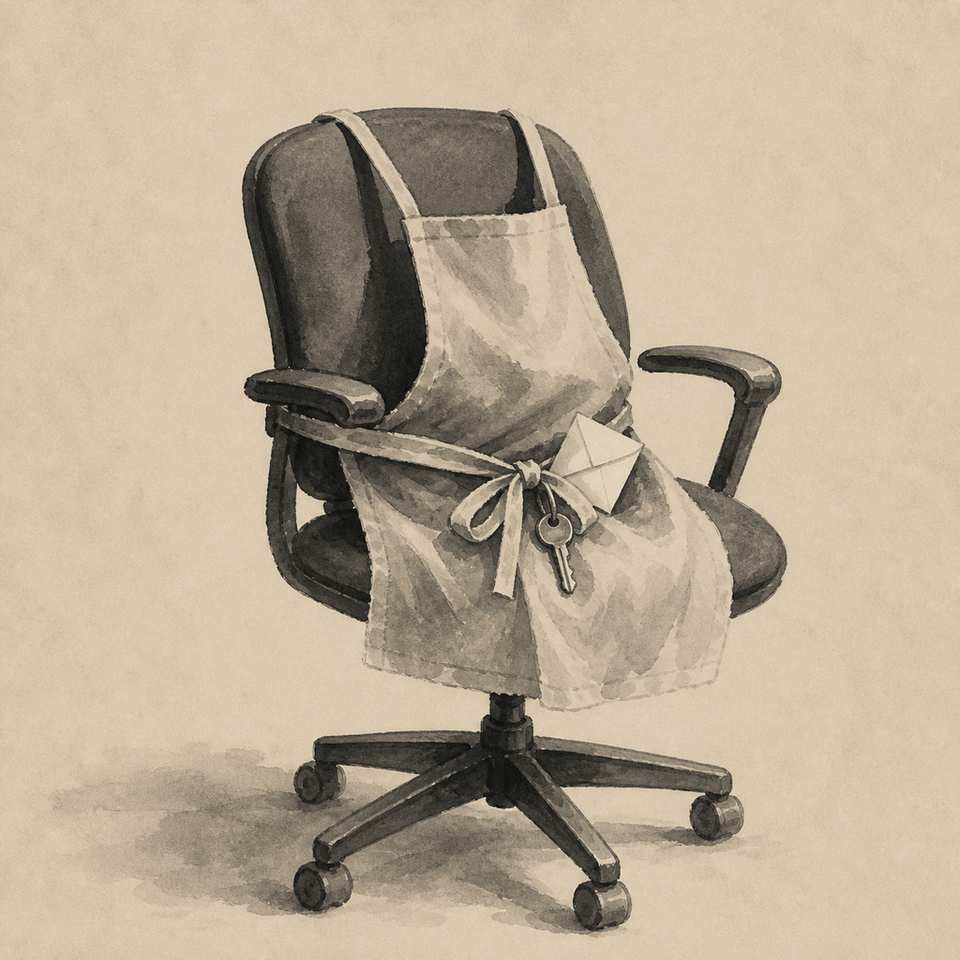
Second-Wave Feminism
Between roughly 1963 and 1980, women in the developed world renegotiated the basic terms of their participation in public and private life. Betty Friedan's Feminine Mystique (1963) named the problem that had no name — the quiet desperation of the educated suburban housewife. The contraceptive pill (FDA-approved 1960) put reliable control of fertility into women's hands at mass scale. The Equal Pay Act (1963) and Title VII of the Civil Rights Act (1964) made workplace sex discrimination illegal. Roe v. Wade (1973) constitutionalized abortion access. Within a generation, the assumption that married women would not work, would not control their own reproduction, and would not run for office was overturned — in law if unevenly in practice.
Second-wave feminism's analytical move was to argue that what had been treated as private — housework, child-rearing, sexual relations, domestic violence — was actually political, a domain of organized male advantage that needed public scrutiny. 'The personal is political' became the slogan; Friedan co-founded the National Organization for Women in 1966 to press it institutionally, while a younger, more confrontational wing built the consciousness-raising groups that turned private grievance into shared analysis. The victories were substantial and fast: legal equality in employment, education (Title IX, passed in 1972, helped open American institutions to women; over the following decades, women became a majority of university graduates), credit, and property; no-fault divorce; the criminalization of marital rape, state by state into the 1990s; the establishment of women's studies as an academic field; and sharp increases in women's share of the professions and, more slowly, elected office. Underwriting all of it was a structural shift — the sharp rise in women's paid employment, especially among married women, which remade the family economy and the labour market at once. The internal tensions were equally real: between liberal feminism, focused on legal equality, and radical feminism, focused on patriarchal structures; between white middle-class feminists and Black, working-class, and lesbian feminists — voices like bell hooks and the Combahee River Collective, which in 1977 named the interlocking of race, class, and sex that later hardened into 'intersectionality' — who argued the movement's priorities ignored their lives; and over pornography, sex work, and biology. The backlash — the rise of evangelical anti-feminism marshalled by Phyllis Schlafly, the defeat of the Equal Rights Amendment in 1982, and the long erosion of abortion access culminating in Dobbs (2022) — has been continuous since about 1980.