Rwanda
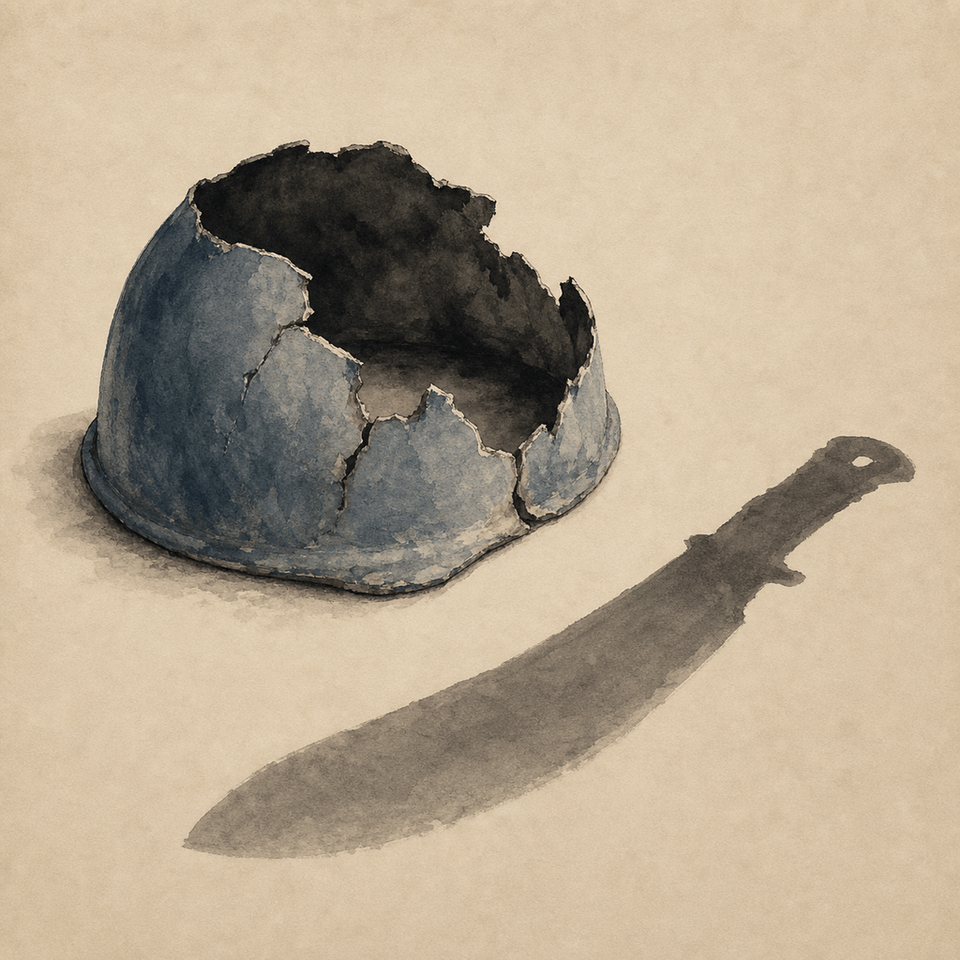
Between April and July of 1994 — one hundred days — between 500,000 and one million Tutsi and moderate Hutu Rwandans were murdered at roadblocks, in homes, churches, and fields — many by people who knew them, using machetes, clubs, and guns — in a genocide prepared through years of propaganda, militia training, arms distribution, and earlier massacres. The trigger was the shooting-down of the president's plane on April 6; the killing began within hours, too fast and too organized to be spontaneous. The radio station RTLM broadcast names and locations and called the victims inyenzi — cockroaches. The killings were organized, denounced in advance by human rights groups, and known in real time in New York and Washington. The United Nations had peacekeepers on the ground under General Roméo Dallaire, but their narrow mandate and meagre force left them unable to stop it. The United States, still emotionally raw from Mogadishu the previous October, refused for weeks to call the killings genocide because the word would sharpen pressure to act under the Genocide Convention.
Rwanda is the case study of how the international system handles a genocide it sees coming, watches happen, and chooses not to stop. The Belgian colonial administration had sharpened a fluid Hutu-Tutsi distinction into a quasi-racial caste system, issuing identity cards that fixed each Rwandan's group; independence-era Hutu nationalists had inverted and weaponized it to organize political power. The 1994 killings were not a spontaneous eruption: the Interahamwe had been armed and trained in advance, and extremist leaders turned that machinery toward extermination. As the slaughter began, the UN withdrew most of its force rather than reinforce it. The world's reaction afterwards — UN reform, the 'Responsibility to Protect' doctrine, the ad hoc International Criminal Tribunal for Rwanda — was the moral and institutional response to having watched. More lastingly, the permanent International Criminal Court, whose 1998 Rome Statute was driven in part by the post-Rwandan conviction that some kind of standing legal architecture had to exist for these crimes. Rwanda itself, under Paul Kagame's authoritarian post-genocide government, achieved one of Africa's fastest economic recoveries and pioneered the community gacaca courts to try the accused — at the price of a political openness it has not been willing to allow.