Ming-to-Qing Transition
In April 1644, the peasant-rebel army of Li Zicheng entered Beijing, the last Ming emperor — the Chongzhen emperor — hanged himself from a tree on Coal Hill behind the palace, and within months a Manchu army from beyond the Great Wall poured through the Shanhai Pass, let in by a defecting Ming general. Fewer than a hundred thousand horsemen, ruling perhaps 150 million Han Chinese, installed themselves as the new dynasty, the Qing. They would rule China for 268 years. The Qing are the canonical case of how a tiny foreign elite can govern a vast civilization without being absorbed by it — and of how that very strategy eventually fails.
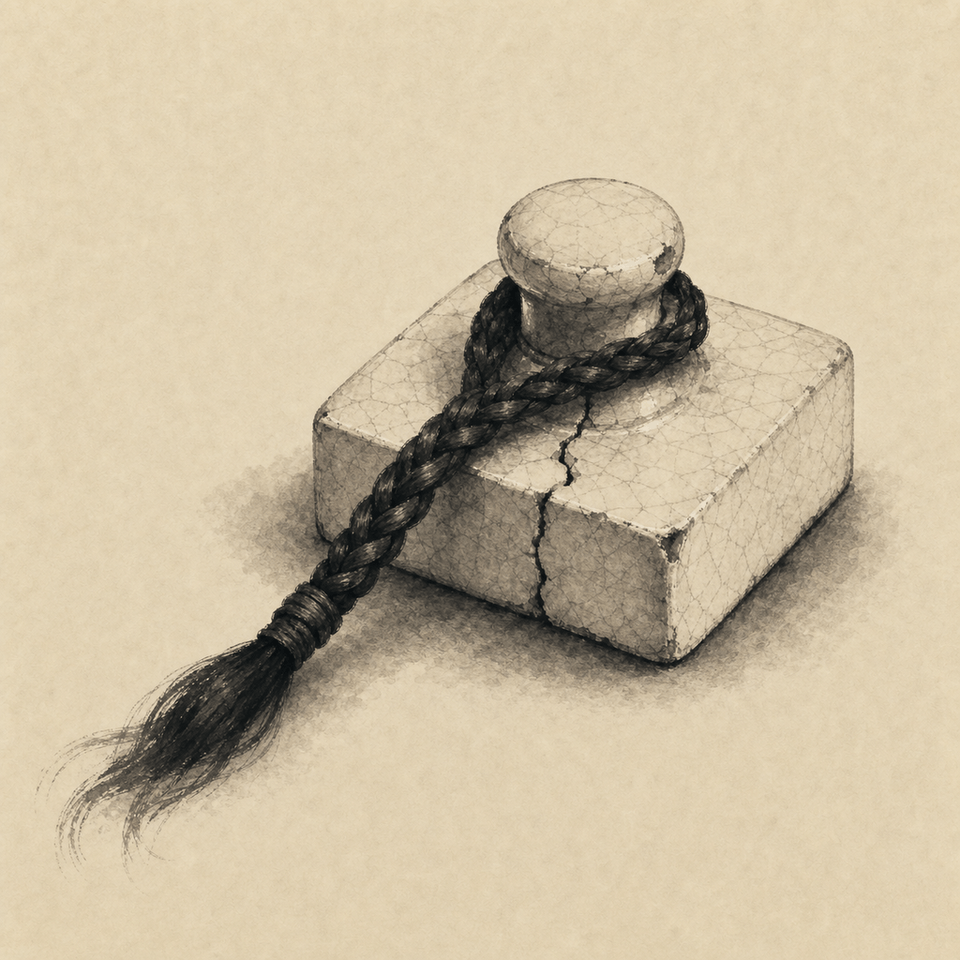
The Qing answer was parallel administration. Manchus monopolized military command through the Banner system and held the commanding heights of government; Han Chinese staffed the civilian bureaucracy, recruited through the Confucian examination system the dynasty pointedly preserved. The two peoples were kept legally distinct — Manchu men shaved the forehead and wore the queue (which Han men were forced to adopt too, on pain of death), Manchu women were forbidden footbinding, Bannermen lived in segregated garrison quarters and were barred from trade and farming. The great emperors Kangxi, Yongzheng, and Qianlong roughly doubled the empire's reach — absorbing Tibet, Xinjiang, Mongolia, and Taiwan — and presided over a population boom from perhaps 150 to over 400 million, fed by New World crops like maize and the sweet potato. They patronized a high-cultural synthesis still recognizable to outsiders as 'traditional Chinese culture', commissioning vast scholarly compilations even as they used literary inquisitions to censor anti-Manchu sentiment. The fatal weaknesses were demographic and technological: a tripled population strained the land while the bureaucracy stagnated, and when Lord Macartney's 1793 embassy offered industrial wares, Qianlong replied that the Celestial Empire possessed all things and needed nothing from the barbarians. The internal pressure burst first in the White Lotus and later the catastrophic Taiping rebellions; by the First Opium War of 1839–42, the external gap was unbridgeable. British steamers and rifled guns shredded the imperial forces, and the Treaty of Nanjing ceded Hong Kong and opened the treaty ports — the first of the unequal treaties.