Iron Age Technologies
Bronze, the alloy that defined the previous age, required tin — and tin was rare, sourced from a few scattered deposits in Cornwall, Afghanistan, and Iberia. Whole trade networks existed for the sole purpose of moving it; the Late Bronze Age ran on a fragile logistics chain stretching the length of the Mediterranean. Bronze weapons and tools were therefore expensive, controlled by palace elites, and dependent on long-distance commerce that could be severed. When that system collapsed around 1200 BCE — the Bronze Age Collapse that toppled the Hittites, Mycenae, and the Egyptian periphery in a single generation — the tin routes failed with it. Iron, by contrast, is the fourth most common element in the earth's crust. As ironworking knowledge developed across several regions, more communities could secure iron ore than imported tin, even though producing usable metal remained demanding. Within a few centuries, iron tools were in the hands of ordinary farmers and foot soldiers across Eurasia.
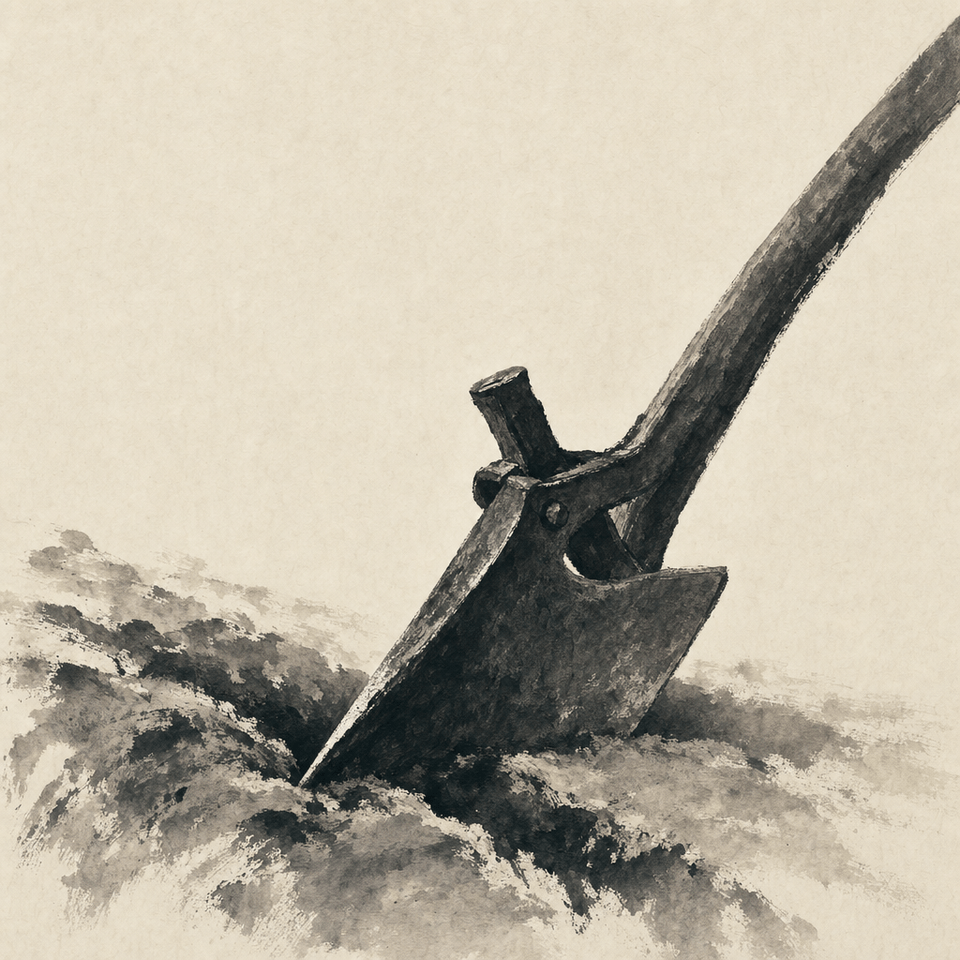
The political consequences were profound, and they followed directly from the geology. Cheap iron meant cheap weapons, which meant larger armies drawn from outside the warrior nobility — the hoplite phalanx of the Greek city-states and the mass levies of the early empires are inconceivable without it. Cheap iron also meant a harder, sharper ploughshare, which could break the dense clay soils of northern Europe and the steppe margins, opening land to systematic cereal farming for the first time and feeding the population growth that armies and cities ran on. Iron was the technological substrate of the empires of the Iron Age proper: Neo-Assyria, which fielded the first true standing army; Achaemenid Persia; the Hellenistic kingdoms; Rome; the Mauryan and Han states. It was equally the substrate of the mass infantry warfare those empires required, and of the social bargain that infantry implied — a free peasantry numerous enough to be drafted and, in places, to demand a political voice in return. The Bronze Age belonged to chariot aristocracies who monopolized expensive metal; the Iron Age belonged to citizen-soldiers, tax registers, and bureaucracies. The metal did not cause democracy, but it broke the elite's monopoly on force, and that fracture echoes through every later constitution.