Dissolution of the USSR
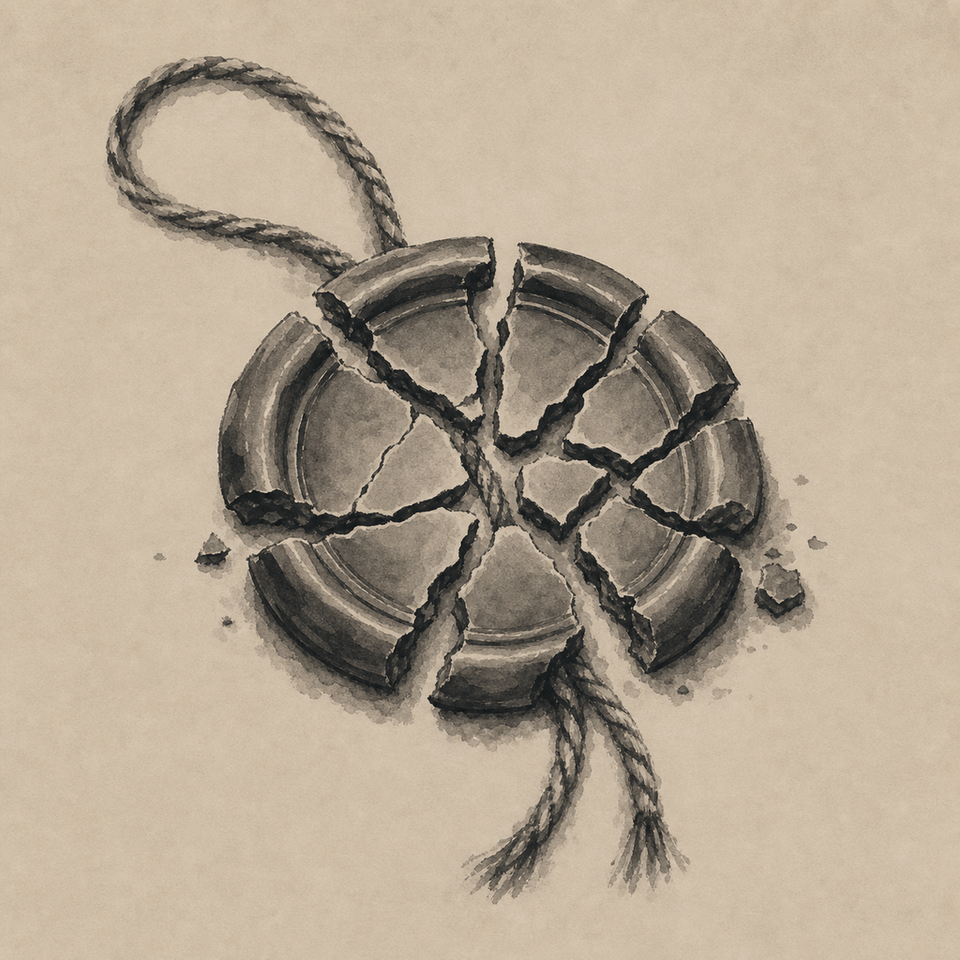
On December 25, 1991, Mikhail Gorbachev resigned as the last President of the Soviet Union. The red flag came down over the Kremlin and was replaced by the Russian tricolour. The Soviet Union — an empire of 290 million people across eleven time zones, the second most powerful state on earth, the rival the United States had built its strategic doctrine around for forty-five years — ceased to exist, peacefully, by signature. Three weeks earlier, the leaders of Russia, Ukraine, and Belarus had met in a hunting lodge at Belavezha and simply declared the union dissolved. Few people in power expected the speed or the form of the ending. Western intelligence had chronicled economic decay and national tension, but not the cascade that would dissolve a nuclear superpower in months; even in 1990, strategists still planned around an adversary whose union had little more than a year to live.
The dissolution had multiple causes layered into each other. The economy had been stagnant since the early 1970s, with command planning unable to keep up with consumer demand; falling oil prices in the mid-1980s gutted the hard-currency earnings the system depended on. The Afghan war (1979–89) had been the Soviets' Vietnam — bleeding, humiliating, ideologically corrosive. Glasnost (Gorbachev's policy of openness) and perestroika (restructuring), intended to reform the system, instead let people speak, and what they said was that they did not believe in it any more. The Baltic states declared independence; Ukraine voted for it overwhelmingly in December 1991; the August 1991 coup by hardliners against Gorbachev collapsed in three days when the army refused orders and crowds rallied to Boris Yeltsin atop a tank outside the Russian parliament. Yeltsin emerged as the dominant figure of the new Russia, eclipsing Gorbachev entirely. The 1990s that followed were catastrophic — male life expectancy fell below sixty, GDP roughly halved, a handful of oligarchs captured the rigged privatization, and organized crime became a parallel state. The 1998 rouble default wiped out savings a second time. That decade created much of the demand for order, restored state authority, and national pride on which Vladimir Putin rose.