Musik der Moderne
- Stravinsky's Rite: rhythm and the 1913 riotnoch nicht geprüft
- Schoenberg's twelve-tone row and serialismnoch nicht geprüft
- Cage's silence and sonorist sound-massnoch nicht geprüft
- Minimalism's pulse: Riley, Reich, Glassnoch nicht geprüft
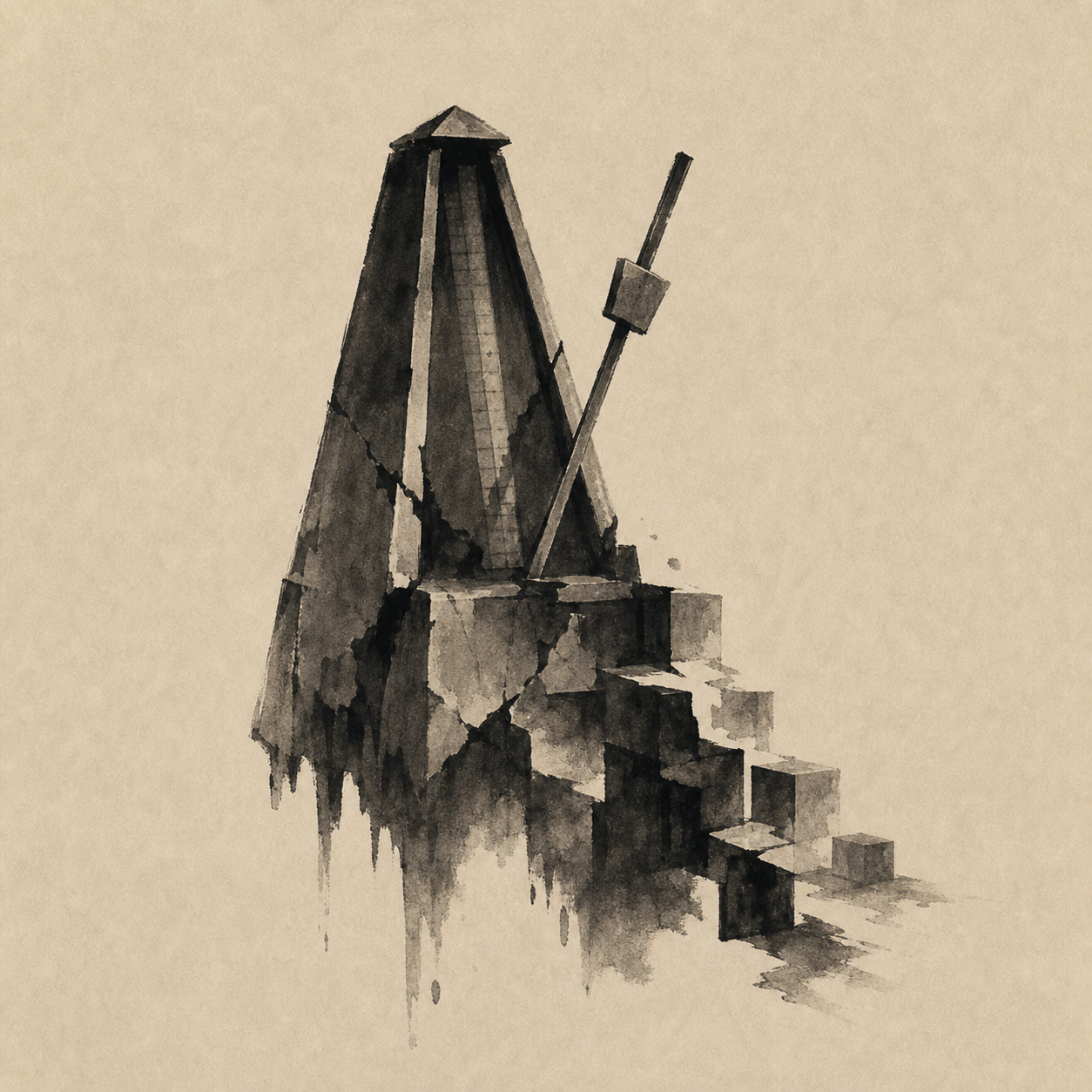
Am 29. Mai 1913 kippte in Paris die Uraufführung von Le Sacre du printemps — Musik von Strawinsky, Choreografie von Nijinsky — in einen Tumult. Die stampfenden, schief gesetzten Rhythmen, die aneinander reibenden Harmonien, die Tänzer, die in absichtlich hässlichen Haltungen ein heidnisches Opfer vorführten: Das verletzte alles, was ein Ballettpublikum erwartete. Binnen Minuten kamen Zwischenrufe, dann Handgreiflichkeiten in den Gängen, und die Tänzer hörten im Lärm das Orchester nicht mehr. Es wurde der berühmteste Skandal der Konzertgeschichte — und eine passende Ouvertüre, denn angekündigt war damit kein neuer Stil, sondern das Zerbrechen einer alten Ordnung. Drei Jahrhunderte lang hatte die Tonalität die abendländische Musik zusammengehalten: der Zug jedes Tons hin zur Grundtonart. Die Moderne ist die Geschichte dessen, was die Komponisten taten, als dieser Zug nachließ.
Die Moderne war nie eine Bewegung, sondern ein Bündel rivalisierender Antworten auf eine einzige Frage: Wenn die Tonart ein Stück nicht mehr zusammenhält — was dann? Die radikalste Antwort war eine neue Art von Ordnung. Arnold Schönberg, dem die Tonarten nicht länger wahr klangen, ersetzte die natürliche Schwerkraft der Tonalität durch ein künstliches Gesetz: die Zwölftonmethode, in der alle zwölf Töne in festgelegter Reihenfolge erklingen müssen, ehe einer wiederkehren darf, damit keiner mehr als Heimat herrschen kann. Seine Schüler Berg und Webern trieben das in entgegengesetzte Richtungen, in üppiges Drama und in diamantene Verknappung; nach dem Krieg dehnte eine jüngere Generation dieselbe ordnende Logik von der Tonhöhe auf Rhythmus und Lautstärke aus. Andere suchten ihren Zusammenhalt woanders. Igor Strawinsky, der im Sacre den Rhythmus gesprengt hatte, baute jahrzehntelang aus älteren Vorbildern neu, ehe er sich selbst der seriellen Ordnung zuwandte. Béla Bartók wandte sich der Volksmusik zu, die er zu Tausenden quer durch Osteuropa aufgezeichnet hatte, und verschmolz ihre modalen Skalen und hinkenden Metren zu straffen modernen Gebilden wie Music for Strings, Percussion, and Celesta. Dann kamen die Antworten, die auf Kontrolle ganz verzichteten: John Cage ließ Münzwürfe und das I Ging die Töne wählen und rahmte in 4′33″ den Umgebungsklang eines stillen Raums als Musik — die Andeutung, dass ein Stück womöglich nichts anderes zusammenhält als der Rahmen, den wir darum ziehen. Ligeti löste Melodie und Harmonie in langsam wandernde Wolken bloßer Textur auf. Und in den 1960er Jahren gebar die Erschöpfung an all dieser Komplexität ihr Gegenteil: den Minimalismus, der die Einheit in hypnotischer Wiederholung fand, in einfachen Mustern, die bei Reich und Glass kreisen und sich langsam gegeneinander verschieben. Ein zerbrochenes Zentrum — und ein halbes Jahrhundert unvereinbarer Weisen, ohne es zu leben.